

Most stainless steel ordered worldwide is grade 304. It offers the standard corrosion resistance, formability, strength and ease of maintenance that stainless steel is known for. Although 316 ranks second in sales, it has extremely excellent corrosion resistance to chlorides and acids.
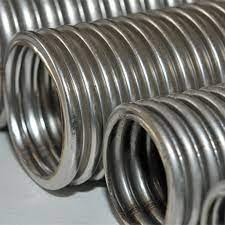
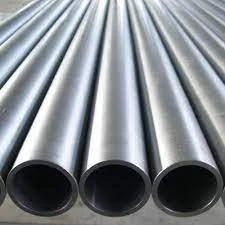
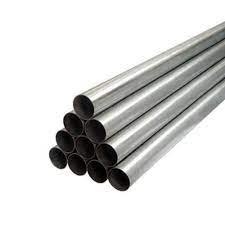
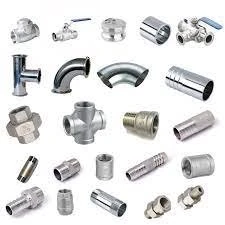
Stainless steel is the most widely used material in industrial product manufacturing due to its exceptional durability, versatility and cost-effectiveness. Stainless steel pipes are available in seamless, welded, ERW, EFW, cold drawn and other varieties, with different standards and specifications. Due to the chromium and nickel content, stainless steel offers excellent resistivity and strength even in harsh conditions. Stainless steel pipes are available in different grades, which are formulated according to different standards such as SAE, ASTM, BS, EN, ASME and other standards. Stainless steel pipes are available in different series and respective grades, distinguished according to chemical composition:
Austenitic Stainless Steel Pipe: Stainless steel pipe is available in different austenitic grades, including 303, 304, 310, 316 and 321, which vary in chemical composition and properties. These grades are the most common and contain higher amounts of nickel, molybdenum and chromium. These versatile grades offer excellent ductility, tensile strength and corrosion resistance. These austenitic stainless steel pipes have excellent resistance to creep and pitting and crevice corrosion. These stainless steel grades 304, 316, and 321 are further classified based on carbon content. Stainless steel pipes have excellent toughness at both high and low temperatures.
Ferritic Stainless Steel Pipe: Due to its lower nickel content, this grade of pipe is one of the most economical. Ferritic grades contain molybdenum, chromium, titanium, niobium and other elements to provide excellent creep resistance and toughness even in corrosive environments. Most stainless steel pipe grades are magnetic and offer excellent weldability. Ferritic grades of stainless steel pipe include 430 and 410 grades, which offer excellent resistance to corrosion, oxidation and stress corrosion cracking.
Duplex stainless steel pipes: These pipes combine the properties of austenitic and ferritic steel grades to make them stronger and are one of the most widely used steel grades. Duplex stainless steel pipe is lightweight and corrosion-resistant. Due to this property, the pipe is suitable for marine applications. Stainless steel pipes have excellent tensile strength and are easy to form. Duplex stainless steel grades include 2304, 255, 2205 and super duplex 2507, etc.
Martensitic and precipitation hardened stainless steel pipe: This pipe is similar to ferritic but has a higher carbon content. Martensitic stainless steel pipe is used in applications requiring hardened edges. This grade is used in medical devices due to its excellent quenching and tempering properties. Stainless steel pipes are available in grades such as 410 and 420.
Stainless steel pipe grades and applications
300 Series Austenitic – Typical grades are T304 and T316
Chromium (17-25%), Nickel (8-25%); non-magnetic, not heat treatable. High strength can be produced by cold working. Corrosion resistance can be improved by adding molybdenum (up to 7%). The 300 Series resists corrosion, maintains strength at high temperatures, and is easy to maintain. Type 316 contains slightly more nickel and 2-3% molybdenum than Type 304, giving it better corrosion resistance.
Typical uses: Surgical applications, food and beverage equipment, wastewater equipment, chemical equipment, construction applications.
400 Series Martensite – Typical Grade: 410
Pure chromium (12-18%); magnetic and hardenable by heat treatment. Type 410 resists corrosion in mild atmospheric, vaporous and mild chemical environments.
Typical uses: fasteners, mechanical parts, pump shafts.
400 Series Ferrite – Typical Grade 430
Pure chromium (12-18%); low carbon, magnetic, but not heat treatable.
Typical uses: Highly polished decorative applications, food processing.
Precipitation Hardening – Typical Grade: 17-4
Chromium (12-28%), Nickel (4-7%); martensite or austenite. The typical 17-4 grade name comes from the addition of 17% chromium and 4% nickel, also known as 630 grade. They have high strength, relatively good ductility, and good corrosion resistance at moderate temperatures.
Typical uses: valves, gears, pump parts, bolts, saws, shafting.


