

I. Introduction
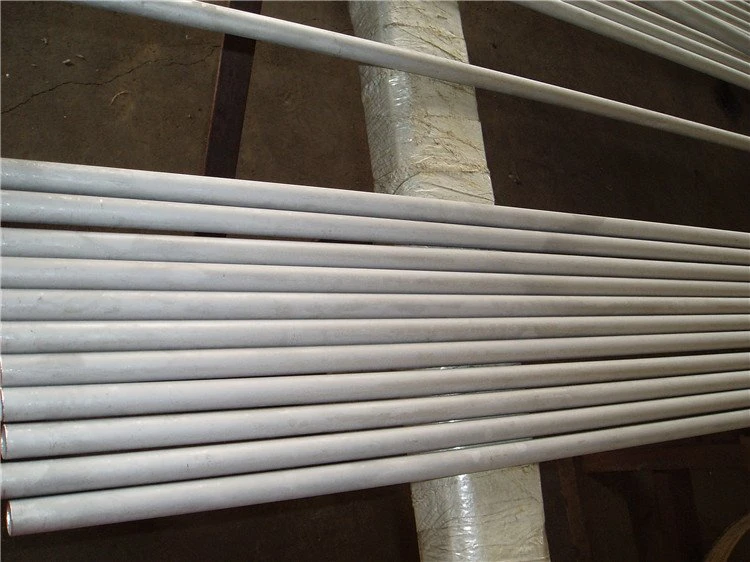
Stainless steel pipes are widely used in various industries due to their excellent corrosion resistance, strength and durability. However, in some cases, it may be considered to paint stainless steel pipes. This article will explore whether stainless steel pipes can be painted and the relevant factors that need to be considered.
II. Feasibility of painting stainless steel pipes
(I) Surface preparation
Before painting, it is crucial to properly prepare the surface of the stainless steel pipe. The surface needs to be clean and free of dirt, grease and other contaminants. This can be achieved by methods such as degreasing with appropriate solvents. If the surface is not cleaned properly, the paint may not adhere well.
(II) Adhesion promotion
Stainless steel has a smooth surface, which poses a challenge to paint adhesion. Special primers are usually required to improve the adhesion between the paint and the stainless steel surface. These primers are designed to chemically bond to the stainless steel and provide a suitable base for the topcoat.
(III) Paint selection
1. Epoxy paint
- Epoxy paints are a popular choice for painting stainless steel pipes. They have good corrosion resistance and adhesion. Epoxy paint can form a tough and durable coating on the surface of stainless steel, protecting it from environmental factors such as moisture and chemicals.
2. Polyurethane paint
- Polyurethane paints also have good adhesion and flexibility. They can provide a smooth and beautiful surface. However, they may require more careful surface preparation than epoxy paint.
3. Reasons for painting stainless steel pipes
(I) Aesthetic purposes
In some applications, such as in architecture or interior design, stainless steel pipes may be painted to match the surrounding environment or to achieve a specific color scheme. For example, in a building where the overall color theme is a certain hue, painting stainless steel pipes can make them blend more harmoniously.
(II) Additional protection
While stainless steel is corrosion-resistant, in some harsh environments, such as in highly corrosive industrial environments or areas with high salt content in the air, an additional layer of paint can provide additional protection. Paint can act as a barrier to corrosive substances that may attack the surface of stainless steel.
4. Challenges of painting stainless steel pipes
(I) Long-term durability
Ensuring the long-term durability of paint on stainless steel pipes can be a challenge. Over time, paint may peel, chip or fade due to factors such as exposure to sunlight, temperature changes and mechanical wear.
(II) Compatibility
It is necessary to ensure the compatibility between the paint and the stainless steel, as well as with any other substances or coatings that may come into contact with the painted pipes. Incompatibility can cause problems such as blistering or discoloration of the paint.
V. Conclusion
In summary, stainless steel pipes can be painted, but factors such as surface preparation, paint selection and the intended use of the painted pipes need to be carefully considered. Using appropriate techniques and materials, painting stainless steel pipes can be a viable option for aesthetic and protective purposes. However, ongoing monitoring and maintenance may be required to ensure the long-term performance of the painted surface.


