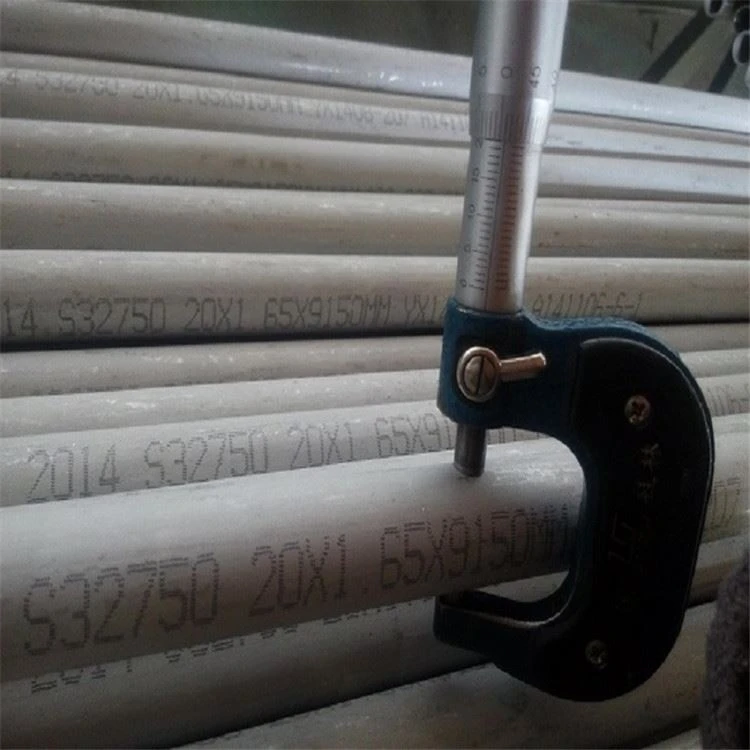
When brown rust spots appear on the surface of stainless steel pipes, some people think that "stainless steel pipes do not rust, and rust is not a stainless steel pipe. It may be that there is a problem with the steel." In fact, this is a one-sided misconception about the lack of understanding of stainless steel. Stainless steel pipes can also rust under certain conditions.
Stainless steel pipes have the ability to resist atmospheric oxidation, and also have the ability to corrode in media containing acid, alkali, and salt, but their corrosion resistance varies with the chemical composition of the steel itself, the conditions of use, and the environment. . For example, 201 stainless steel pipe has absolutely excellent anti-corrosion ability in a dry and clean atmosphere, but it is moved to the seaside area, where it will soon rust on the seaside with a lot of salt; while 304 stainless steel pipe performs good. Therefore, it is not any kind of stainless steel, which is corrosion-resistant and does not rust in any environment. I remember that once, a customer reported that the stainless steel pipe he purchased was rusty. After receiving the photos sent by the customer and checking the situation on the spot, he found that there were some cement, sand and dust substances in the installation environment, which were washed by rain. The phenomenon of rust appeared. Therefore, when installing stainless steel materials, we must avoid the occurrence of the above situations.
To ensure that the metal surface is permanently bright and not corroded, we recommend:
The above conditions can cause damage to the protective film on the stainless steel surface and cause rust. Therefore, in order to ensure that the metal surface is permanently bright and not corroded, we recommend:
1. The surface of decorative stainless steel must be cleaned and scrubbed frequently to remove attachments and eliminate external factors that cause modification.
2. The chemical composition of some stainless steel pipes on the market cannot meet the corresponding national standards and cannot meet the material requirements of 304. Therefore, rust will also be caused, which requires users to carefully choose products from reputable manufacturers.