

Why do steel pipes need heat treatment? What are the main types of heat treatment processes for steel pipes?
Heat treatment is one of the important processes in the production of steel pipes. It plays an important role in tapping the potential of metal materials, improving the service life of steel pipes, and improving the performance of steel pipes. The internal structure of metal materials includes various defects, internal stress, grain morphology, size, boundary structure, strengthening phase and inclusion morphology and distribution, etc., which will affect the service life and performance of steel pipes. Different heat treatment processes, that is, different heating temperatures, holding times and cooling rates, can be used to make steel pipes have different internal structures to meet various steel pipe standards, user performance requirements and use requirements under specific conditions.
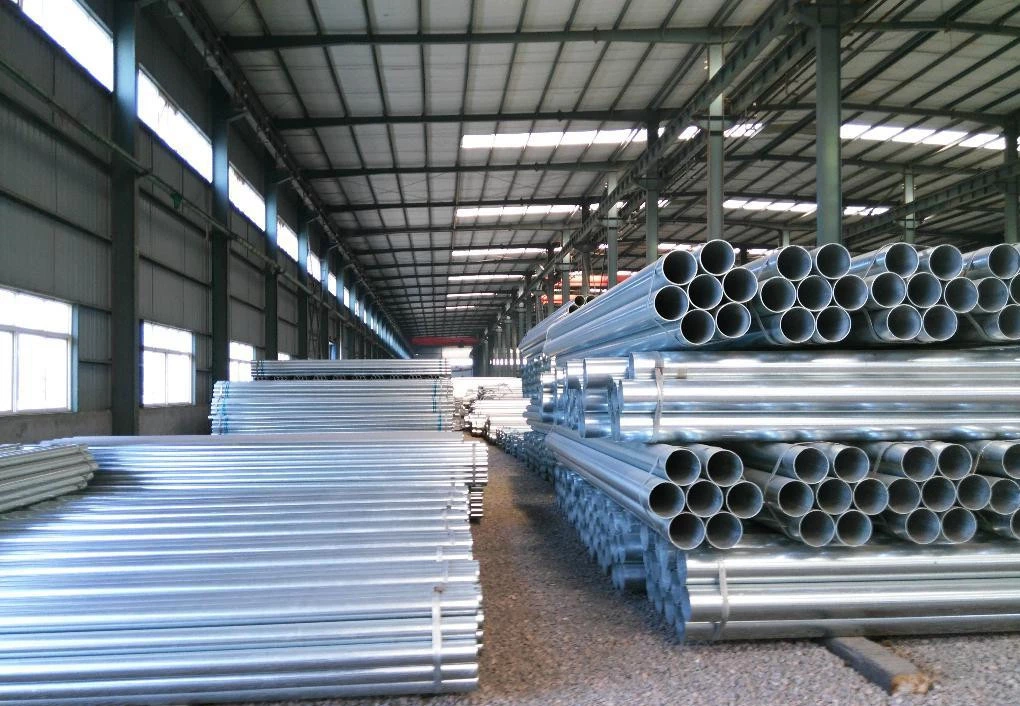
According to the different requirements of steel pipe standards for steel pipe structure, performance and hardness, heat treatment processes can be summarized into the following five categories.
(1) Annealing.
(2) Normalizing.
(3) Normalizing and tempering.
(4) Quenching and tempering.
(5) Solution treatment.
What are the commonly used heat treatment equipment in my country's seamless steel pipe factories?
The production lines of seamless steel pipe factories in my country are generally equipped with independent heat treatment equipment or heat treatment combined with finishing treatment. Heat treatment heating equipment includes continuous roller hearth furnace and walking beam furnace. Continuous roller hearth furnace even has non-oxidizing protective gas furnace. There are two types of walking mechanism of walking beam furnace: beam type and spiral type.
Quenching and tempering equipment are very important to ensure the quality of steel pipes. At present, there are three basic forms of commonly used quenching equipment: radiation quenching device, mandrel injection device and mechanized quenching tank. The first two forms can generally only quench pipes with a wall thickness of less than 13mm. When the wall thickness of the steel pipe exceeds 10mm, the inner surface quenching method must be used to harden the steel pipe.


