

The two most common austenitic stainless steel grades are 304 (1.4301) and 316 (1.4401). Visually, the two are indistinguishable, and the few tests that distinguish them include hazardous chemicals (in the case of the molybdenum drop test) or expensive equipment (such as reliable material identification).

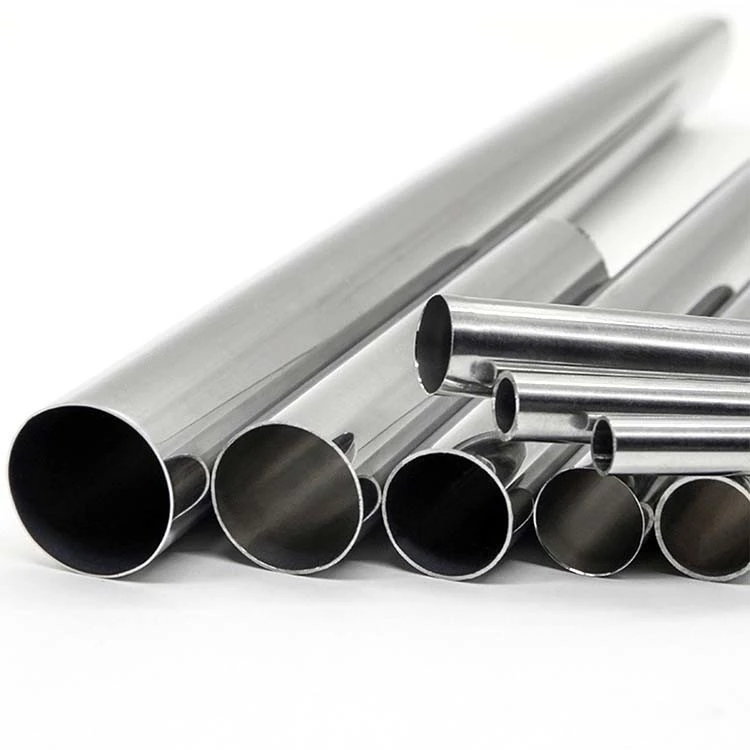
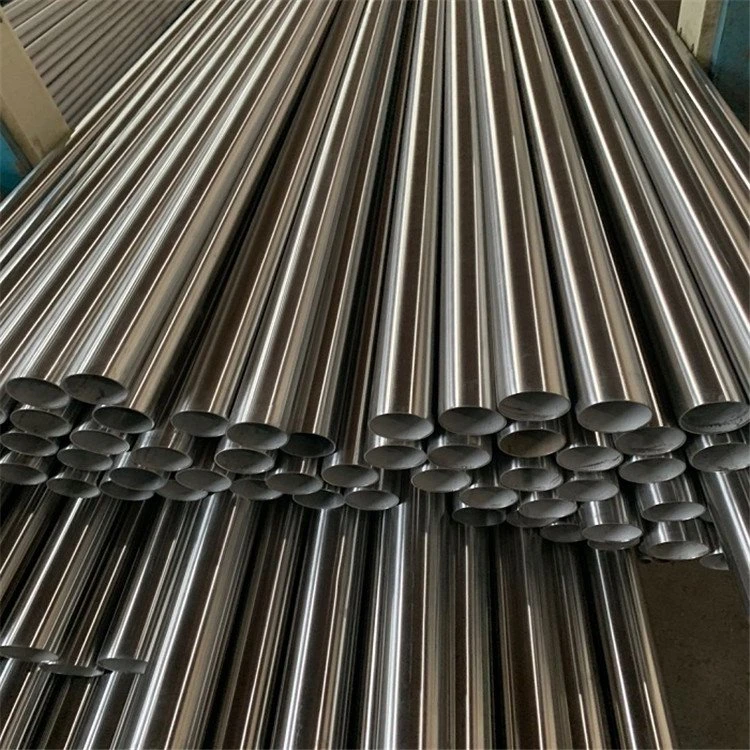
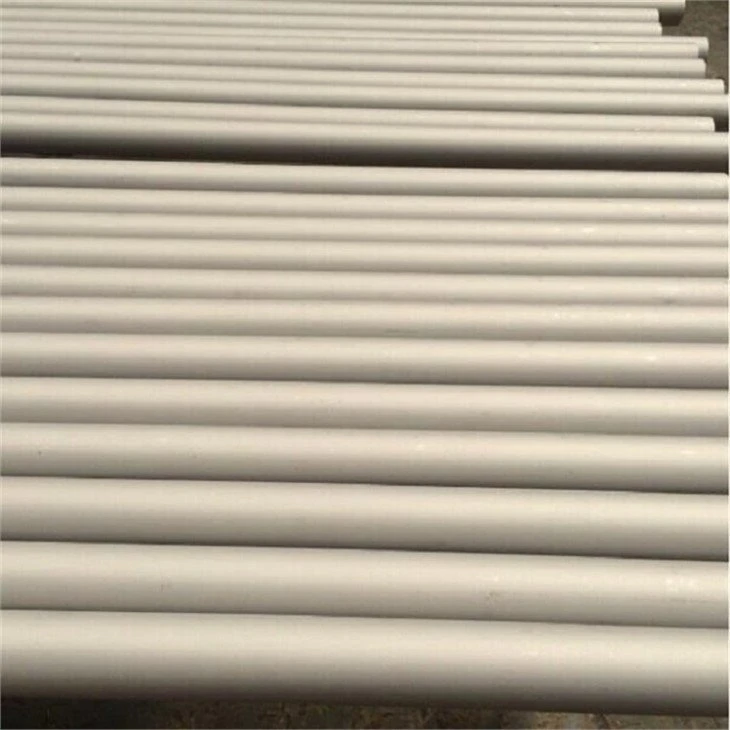
304 stainless steel and 316 stainless steel
1. Cost
The cost of stainless steel depends largely on the alloys contained in its composition. All stainless steels require at least 10.5% chromium, and they are alloyed with iron, which makes up a large proportion of their final composition. However, various other elements are present that can have an impact on performance and features, and ultimately cost.
316 contains at least 2.0% molybdenum, which makes it more corrosion-resistant than 304, but since it is a more expensive element, it generally makes 316 a more expensive metal grade.
2.Magnetic
Both grades are austenitic, which means they are not magnetic, but cold working can affect this. When stainless steel is shaped or cut, its magnetism increases slightly, although this is only a small amount.
3. Corrosion resistance
Stainless steel as a family of metals is highly resistant to corrosion, but the addition of molybdenum to 316 increases the grade's ability to withstand harsh environments. 316 is often referred to as marine grade and is suitable for use in environments that are more corrosive than the surrounding environment, although care should still be taken to clean the metal regularly to extend its service life.
Most applications of 304 stainless steel are due to its high concentration of chromium, which gives the alloy excellent corrosion resistance. These applications include:
· Manufacturing kitchen appliances such as refrigerators and dishwashers
· Used in the manufacture of heat exchangers
· For use in commercial food processing equipment and kitchen accessories such as sinks and splashbacks
· For making pans, cutlery and flatware
· Building siding
· Manufacture of nuts, bolts, screws and nuts
· Used for manufacturing beer, food, and pharmaceutical production equipment
Generally speaking, stainless steel is used in applications that would corrode standard carbon steel.
316 stainless steel was originally developed for paper mills. It is now widely used in a variety of applications including:
· Manufacturing food, chemical, and petroleum production and processing equipment
· Experimental bench and equipment construction
· Building wainscoting in coastal areas
· Ship outfitting
· Mining screen
· Kitchenware, sanitary ware and sinks
· Pipes
· Medical implants
Stainless Steel 316 has better corrosion resistance than stainless steel and generally exhibits better strength at high temperatures.


