

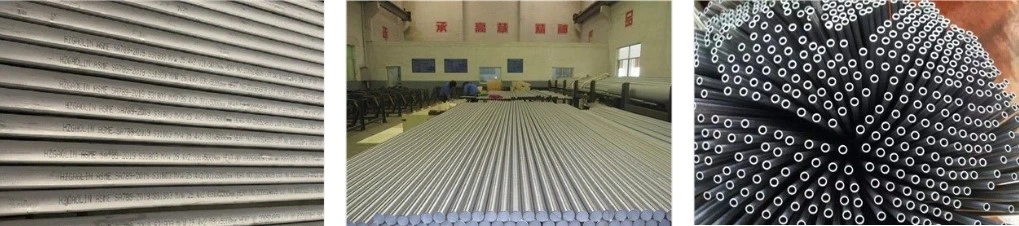
When you buy pots, thermos cups or tableware in the supermarket, have you ever been dazzled by the labels of "food-grade 304" and "medical-grade 316"? These two types of stainless steel occupy half of the kitchen supplies, but their composition differences, safety performance and applicable scenarios confuse countless consumers. This article will take you to uncover the truth of this metal dispute through laboratory data, industry standards and real cases.
The core difference between the two steels is hidden in their "metal ID cards". The composition of 304 stainless steel is 18% chromium + 8% nickel (18/8 steel), while 316 adds 2% molybdenum to this. This seemingly minor adjustment actually causes a qualitative change in performance.
Laboratory tests show that 316 is more than three times more resistant to chloride ion corrosion than 304. This explains why residents of coastal cities often find rust spots on 304 pots - the chloride ions rich in sea breeze are its natural enemy. The quality inspection report of a well-known brand of thermos cups shows that its 316 products remained rust-free for 96 hours in the salt spray test, while the 304 products showed signs of oxidation in 48 hours.
Data from an e-commerce platform shows that the price of products marked "316 medical grade" is 40% higher than that of 304 products on average, but authenticity testing found that 32% of the so-called 316 products actually have insufficient nickel content. Some merchants even take advantage of consumers' cognitive blind spots and label 304 products as "upgraded" and "enhanced" and sell them at a premium.
In food contact tests, when regular 304 stainless steel is boiled in acidic substances (such as tomato soup), the amount of heavy metal precipitation is only 1/5 of the national standard limit. However, an evaluation agency found that the amount of chromium precipitation of inferior 304 products in the vinegar soaking test exceeded the standard by 2 times in 6 hours. This warns us: It is more important to identify GB4806.9-2016 food contact certification than tossing around steel grades.
A survey of the kitchens of 20 Michelin restaurants found that 86% of commercial kitchens choose 304 stainless steel utensils because of its obvious cost-effectiveness. However, when it comes to long-term pickling of kimchi and storage of high-salt and high-acid foods, chefs prefer 316 containers. Data from a maternal and infant brand laboratory showed that the stability of 316 baby bottles under repeated high-temperature disinfection is 27% higher than that of 304.
In the home use scenario, experts suggest that 304 is sufficient for ordinary woks, but it is recommended to upgrade to 316 for utensils that are in long-term contact with organic acids such as yogurt machines and wine soaking tanks. A comparative experiment by a consumer association proved that after boiling tap water for one year, the inner wall of a 304 kettle was intact at 98%, while the data for 316 products was 99.5% - whether this 1.5% difference is worth paying a 50% premium depends on personal consumption.
When you find that the inner wall of a newly bought thermos cup has scratches, will you choose to continue using it or replace it immediately? Welcome to share your home wisdom in the comment area.
Statement and topic
This article is based on the GB4806.9-2016 national food safety standard and objectively presented in combination with data from a third-party testing agency. Reprinting of original content without authorization is prohibited, and infringement will be pursued. Follow us to get more life science knowledge, click to participate in topic discussions: Food safety truth Kitchenware selection guide Consumer traps revealed
Conclusion
When choosing stainless steel products, there is no need to blindly worship digital numbers. Recognizing the usage scenario, checking the certification mark, and regularly checking the status of the utensils are more practical than worrying about whether to use 304 or 316. Remember: there is no absolutely safe material, only a scientific and reasonable way of using it. Your wise choice today will achieve health protection for the next ten years.


