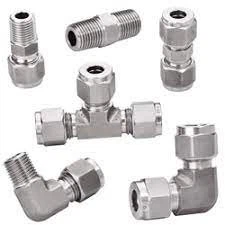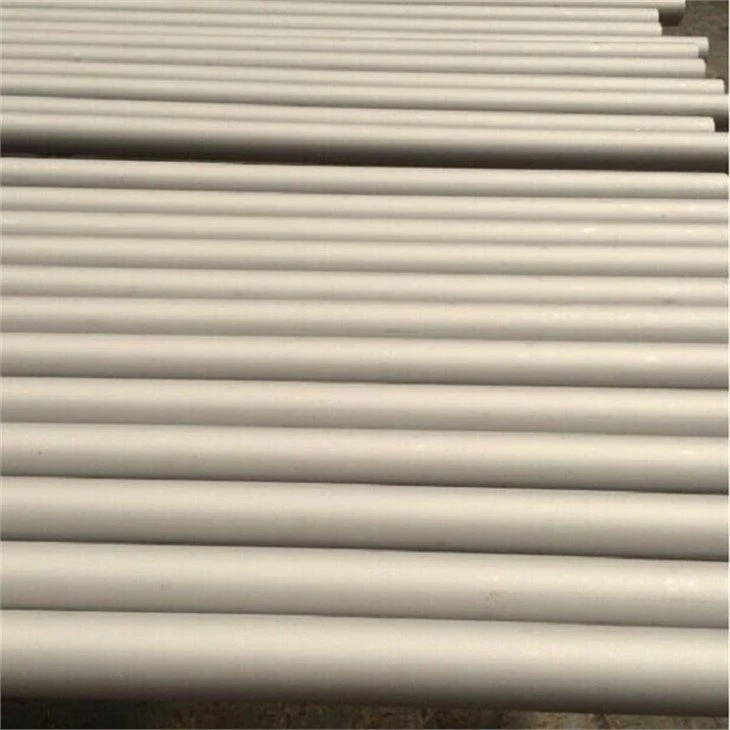
Huzhou Gaolin Stainless Steel Tube Manufacture Co., Ltd. was set up in 2002, it is over 55,000 square meters and the assets are over $20 million USD. The annual productivity is about 6,000 tons. Huzhou Gaolin owns strong technology force, advanced equipments and perfect management.It is one of the best seamless stainless steel pipes/tubes manufacturers in China, who can produce all types of seamless stainless steel pipes/tubes. All the products are strictly implemented to produce in China national standards and some international standards, such as ASTM (S)A312/213/269/789/790M, DIN17456/17457/17458, EN10216-5, JIS G3459/3463/3468, BS, GOST, ISO, etc. Because of the advanced manufacturing and testing equipments, skilled workers and excellent management, the products have very good quality but reasonable price.
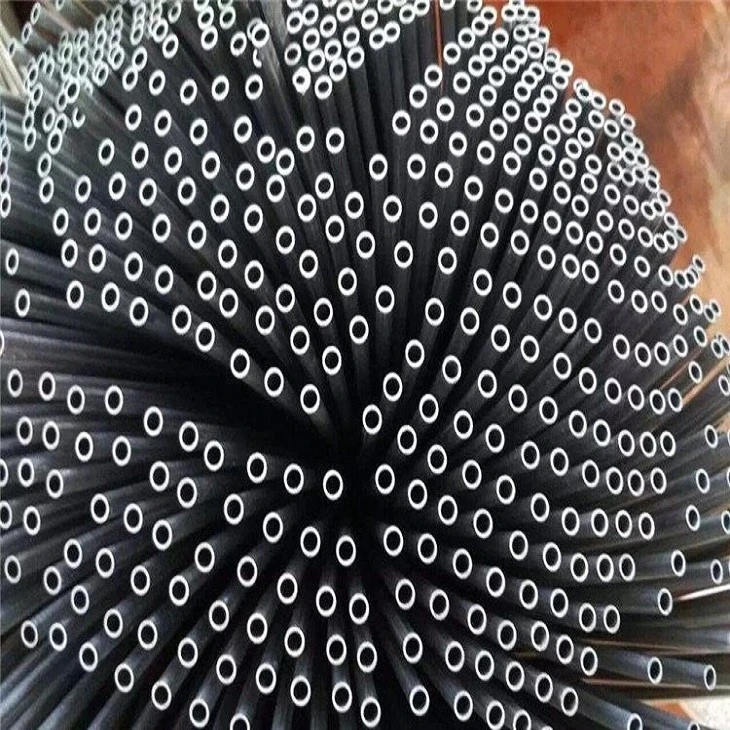
Stainless steel pipe bending is a critical process in the manufacture of precision parts and components for a variety of industries. In order to ensure the highest quality, it is essential that the bending process is certified and tested to strict standards.
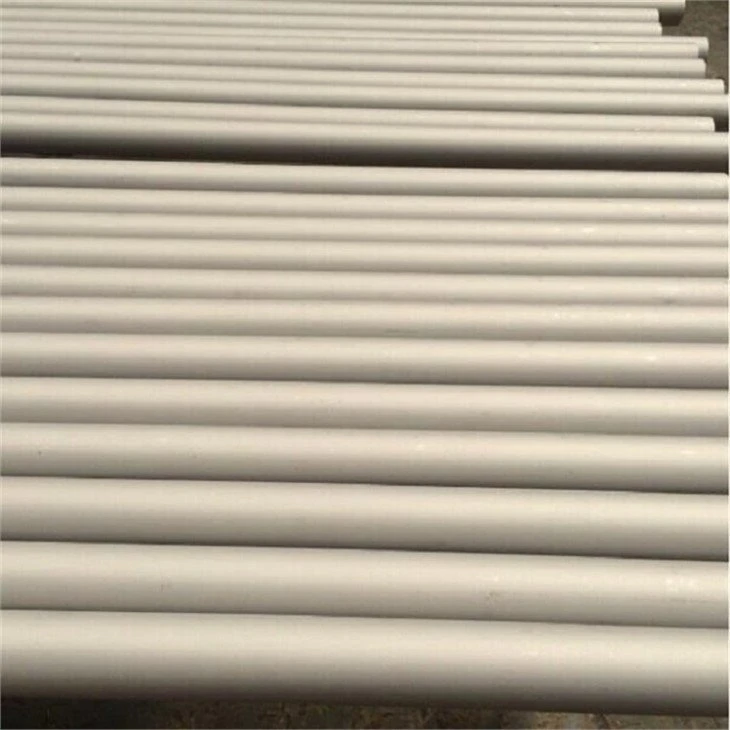
This report certifies that the stainless steel gas pipe has been tested and meets all necessary standards for use in gas transportation. The pipe was subjected to rigorous testing and inspection, including material analysis, dimensional verification, and pressure testing. All tests were conducted by experienced professionals and independent third-party inspectors to ensure accuracy and reliability.
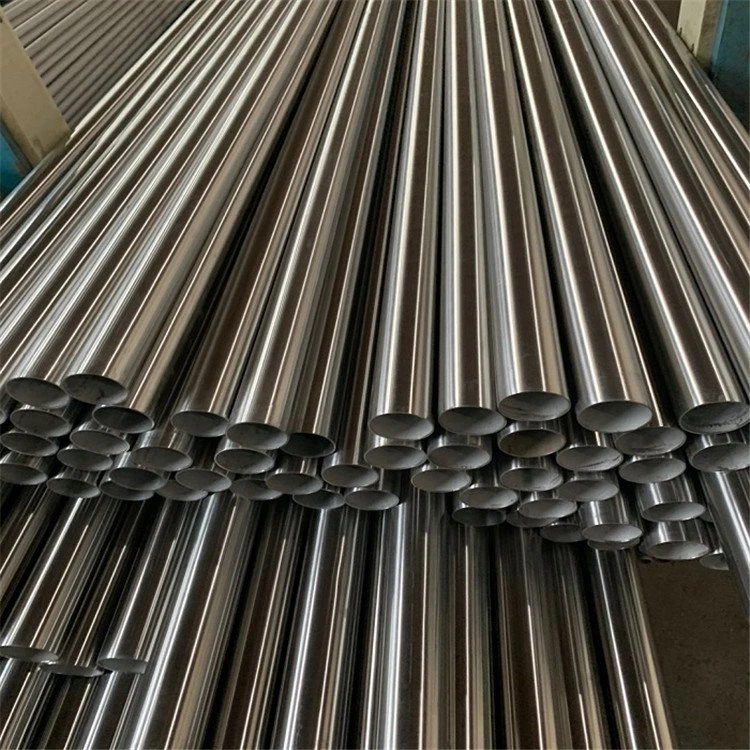
The 20mm stainless steel tube was subjected to various certification and testing procedures to ensure its quality and compliance with industry standards. The tube was certified to meet the ASTM A269 standard for seamless and welded austenitic stainless steel tubing for general service.
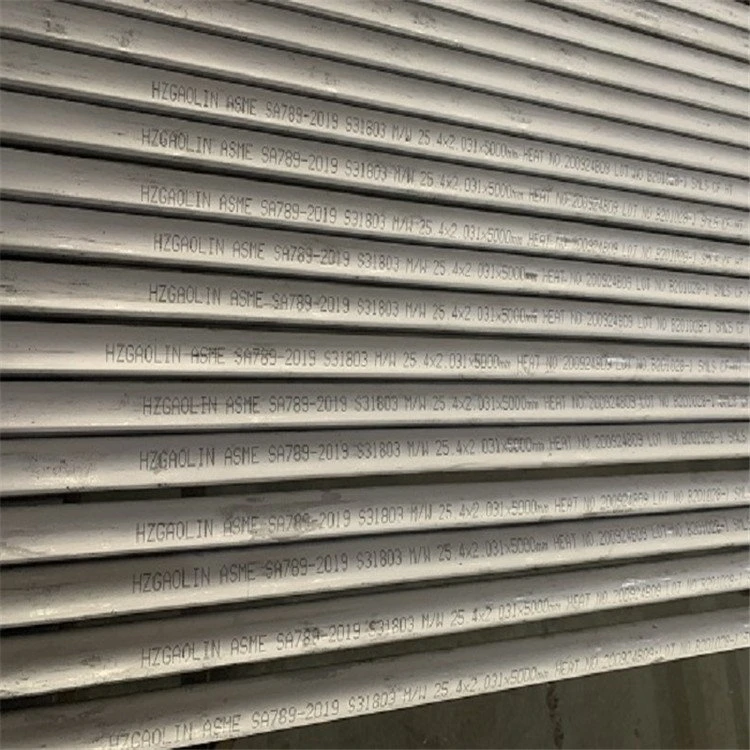
Sch 40 Stainless Steel Pipe is a type of pipe used in various applications, including the pharmaceutical, food, and chemical industries. The pipe is made of stainless steel and is used for its corrosion-resistant properties, strength, and durability.
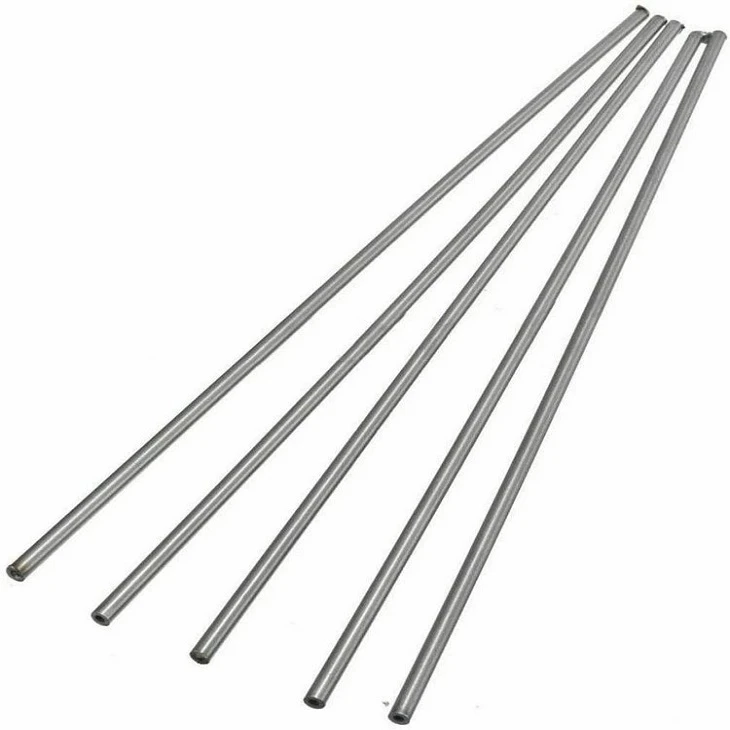
Square Pipe Railing's certification inspection report confirms that the product meets all necessary quality and safety standards. The railing has been thoroughly tested for durability, corrosion resistance, and load-bearing capacity to ensure it is safe for use in various applications. The product's finish and appearance are also in compliance with industry standards.
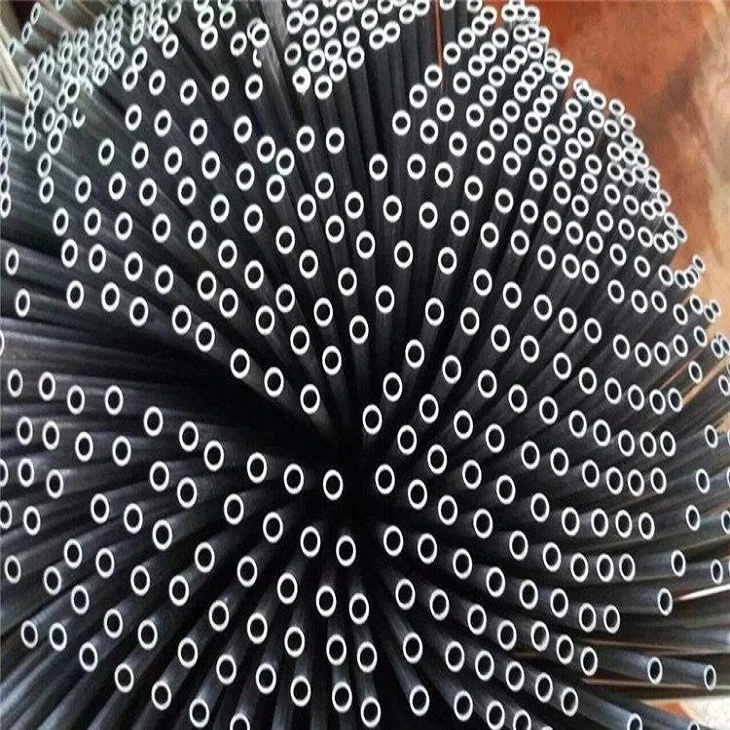
Ss Round Pipe is a type of stainless steel pipe that has been widely used in various industries such as construction, automotive, and manufacturing. This pipe comes with various specifications and technical parameters that make it suitable for specific applications.
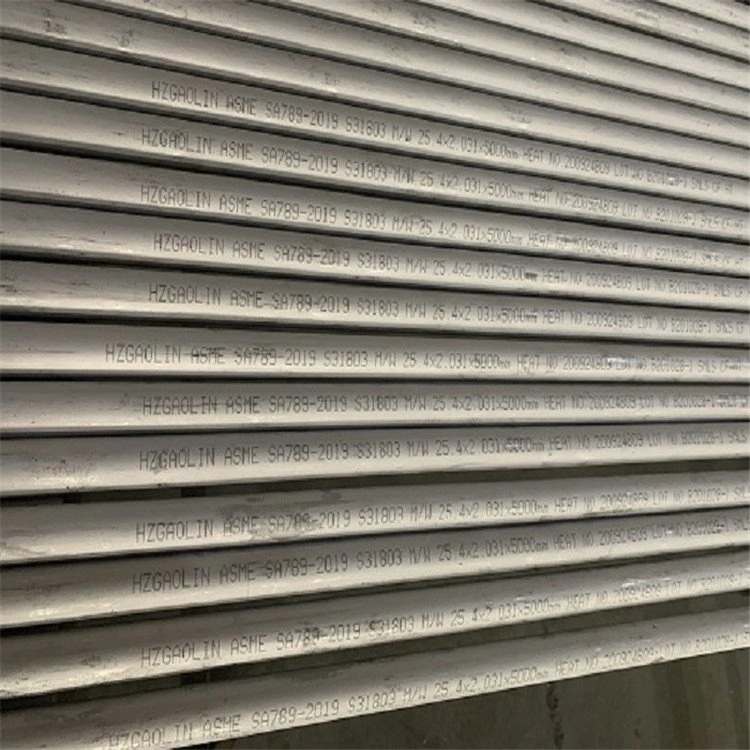
316 Stainless Tube is a type of stainless steel that contains a high level of chromium and nickel. It is widely used in a variety of industries, including chemical, petrochemical, and medical applications. It is also commonly used in applications where high corrosion resistance and strength are required.

Stainless Hollow Bar is a type of hollow bar made from high-quality stainless steel, suitable for use in a variety of industries such as automotive, aerospace, and marine.
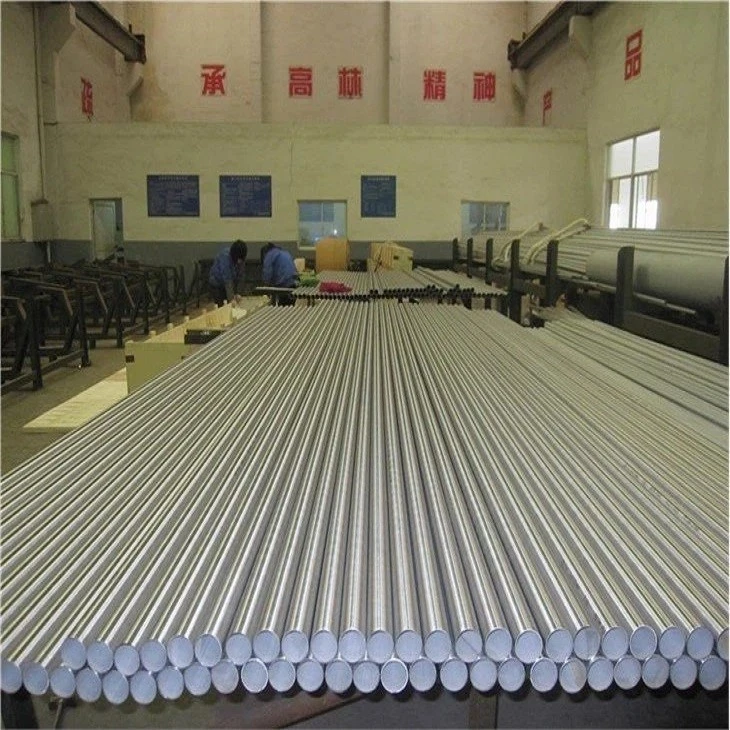
2 Stainless Exhaust Pipe is a high-quality stainless steel exhaust pipe that is made to meet the highest industry standards. It is designed to handle the toughest of conditions and deliver high-performance capabilities that are second to none.
Why Choose Us
Our Factory
Huzhou Gaolin Stainless Steel Tube Manufacture Co., Ltd. was set up in 2002, it is over 55,000 square meters and the assets are over $20 million USD. The annual productivity is about 6,000 tons. Huzhou Gaolin owns strong technology force, advanced equipments and perfect management.
Advanced Equipment
Built in stainless steel cold drawn pipe production line 6, the new LG120-H /LG60-H /LG30-H/LG30/LD30/LG15 and cold tube rolling production line 29.
Production Market
Specializing in manufacturing stainless steel pipes/tubes, the company not only gained high reputation in domestic market, but also in foreign countries. Some of its pipes/tubes have been exported to USA, EU, South Korea, Japan, South-east Asia, South Africa, Brazil, Mexico, Chile etc., and gained customers' high praise.
Certifications
The original materials Gaolin used are all from Yongxing Special Stainless Steel Co., Ltd, which is one of the best stainless steel material suppliers in China. Before processing pipes/tubes with these materials, engineers would inspect the materials to see if they can conform to related standards and requirement. Certifications gained: ISO 9001-2008, PED 97/23/EC, ASME, DNV, ABS.
Advantages of Seamless Stainless Steel Tubing
Manufacturing Process
Seamless stainless steel tubing are produced without any welding seam. They are created by extruding a solid billet through a die to form a hollow tube. This results in a uniform structure throughout the pipe length.
Resistance to Corrosion
Seamless stainless steel tubing exhibit excellent corrosion resistance, making them suitable for environments where exposure to corrosive substances is a concern.
Strength and Reliability
Seamless stainless steel tubing are known for their superior strength and integrity due to the absence of welds. This makes them suitable for high-pressure applications, such as oil and gas pipelines, where reliability is paramount.
Smooth Interior Surface
The absence of seams in seamless stainless steel tubing leads to a smooth interior surface, reducing friction and allowing for efficient fluid flow. This property is advantageous in petrochemicals and pharmaceuticals, where cleanliness and flow rates are crucial.
Seamless Stainless Steel Tubing
●Manufacturing process: Seamless stainless steel tubing are produced without any welding seam. They are created by extruding a solid billet through a die to form a hollow tube. This results in a uniform structure throughout the pipe length.
●Strength and reliability: Seamless stainless steel tubing are known for their superior strength and integrity due to the absence of welds. This makes them suitable for high-pressure applications, such as oil and gas pipelines, where reliability is paramount.
●Smooth interior surface: The absence of seams in seamless stainless steel tubing leads to a smooth interior surface, reducing friction and allowing for efficient fluid flow. This property is advantageous in petrochemicals and pharmaceuticals, where cleanliness and flow rates are crucial.
●Resistance to corrosion: Seamless stainless steel tubing exhibit excellent corrosion resistance, making them suitable for environments where exposure to corrosive substances is a concern.
Welded Stainless Pipes
●Manufacturing process: Welded pipes are created by joining two pieces of steel together, either longitudinally or spirally, to form a continuous pipe.
Cost-effectiveness: Welded pipes are generally more cost-effective than seamless stainless steel tubing. They require less processing and can be manufactured in larger quantities.
●Versatility: Welded pipes come in various shapes and sizes, making them suitable for various applications, from structural support in construction to plumbing and irrigation systems.
●Strength and durability: While welded pipes may have weld seams that can affect their strength compared to seamless stainless steel tubing, modern welding techniques, and quality control measures have significantly improved their strength and durability.
Comparing Strength And Cost
●Strength: Seamless stainless steel tubing typically have an edge over welded pipes due to their uniform structure and absence of weld seams. However, welded pipes can still offer sufficient strength for many applications, especially when manufactured using high-quality welding techniques.
●Cost: Welded pipes are generally more economical than seamless stainless steel tubing. The production process for welded pipes involves fewer steps and less material wastage, leading to lower manufacturing costs. Additionally, the availability of welded pipes in larger diameters and thicker walls further contributes to their cost-effectiveness.
Take 304 material as an example: When selecting steel pipes, it must be determined that the material meets the standard.
●From the price analysis, if the 304 stainless steel pipe is even lower than the general price of the 301 material on the market, it must be carefully identified, it is likely to be impersonated by other materials;
●Whether the steel stamp material "304" is printed on the surface of the steel pipe, and the manufacturer's quality certificate should be obtained as a certificate;
●It can be tested with an acid reagent, after 30 seconds, the material 304 will not change color, and the material 201 will turn black;
There are often inner heavy skins, pits, and rolling blue lines in rolled pipes. Under normal circumstances, these are unavoidable and do not affect the use. However, when purchasing, you must choose as few as possible, especially when checking The inner surface.
When purchasing, you should choose excellent products that have been evaluated by the Quality and Technical Supervision Bureau. It is the most direct and effective purchase method to have a long-term use testimonial and a good reputation among customers.
Check whether the color of the outer surface and the inner wall of the tube is bright and smooth, whether the thickness is uniform or rough. Generally, welded pipes do not need to be inspected, and seamless stainless steel tubing are produced by cold drawing or hot rolling. Improper operation in the production process is prone to uneven thickness, cracks on the pipe surface, etc., and the surface roughness is generally seamless. The tube is not polished, if there is no special requirement for appearance, it will not affect the use.
Before selecting seamless stainless steel tubing, the purpose and use environment of stainless steel pipes should be considered. For example, welded pipes are generally used for decoration, seamless pipes are generally used for fluid transportation, sanitary stainless steel pipes should be used for medical treatment or kitchen, and thick-walled pipes should be used for pressure; Materials above 316 are generally used in acidic and alkaline places or coastal areas.
Seamless Stainless Steel Tubing Quality Defect Inspection
Eddy Current Flaw Detection
The eddy current detection method detects a length of about 200mm from the pipe end, which is due to the limitation of the essential characteristics of the detection method. There are generally two types of eddy current testing equipment: Point probes and through probes. During the detection process, the point probe moves forward in a spiral shape, making face detection time-consuming and inefficient. The penetrating probe has simple equipment, fast flaw detection, and high detection sensitivity when detecting cracks, concave surfaces, scars and external wrinkles on the surface of seamless pipes. It is one of the main methods to detect the quality of seamless stainless steel tubing.
Magnetic Flux Leakage Detection
The magnetic flux leakage detection method is to detect the defects of seamless stainless steel tubing by magnetic leakage detection. By magnetizing the inspected pipe, a magnetic leakage field is generated on the defect part of the pipe surface. There are generally two types of magnetic flux leakage testing: magnetic field testing and magnetic particle testing. The magnetic field measurement method obtains the leakage magnetic field information through the sensor, which can realize the automatic detection of faults, and is suitable for the automatic detection of a large number of steel pipes. Magnetic particle inspection is easy to detect the outer surface of the steel pipe, and it has high sensitivity to detect defects such as cracks, wrinkles, thick skin, hair lines, and pinholes on the surface of the steel pipe.
Ultrasonic Flaw Detection
Ultrasonic sensing method is a sensing technology based on the principle of electromagnetic effect. When the ultrasonic wave excited in the tube encounters defects on the surface of the tube during the propagation process, the beam is reflected and attenuated, thereby transmitting beam change information. After processing through the defect detector, the instrument provides a quantitative defect indication. This detection method can detect volume defects such as cracks, linear defects, and non-metallic inclusions in seamless stainless steel tubing. Although the detection sensitivity is high, it is almost impossible to use slow and fast online detection in seamless stainless steel tubing production. Therefore, this detection method is suitable for offline detection of high-quality steel pipes.
Application Of Seamless Stainless Steel Tubing
Construction Industry
One of the largest consumers of stainless seamless steel pipes is the building industry. Buildings, bridges, and other constructions all utilise these pipes in their construction. Because of their strength, resilience to corrosion, and longevity, they are preferred over other materials. Also, they are simple to use, which makes them well-liked by builders and contractors. Applications for seamless stainless steel pipes in the construction sector include water supply and drainage systems, gas delivery methods, systems for heating and cooling, structural assistance, structural characteristics, stadiums and other sporting venues can be built using seamless stainless steel pipes. They provide structural support, seating, and drainage systems. The building sector favours stainless steel pipes because of their extended lifespan and ease of maintenance.
Oil And Gas Sector
Another significant market for seamless stainless steel pipes is the oil and gas sector. Oil, gas, and other fluids are transported through these pipes. Because of their superior corrosion resistance, great strength, and longevity, they are favoured over other materials. Oil and gas pipelines are just one application for seamless stainless steel pipes in the oil and gas sector. Drilling rigs used offshore Refineries petroleum refineries tank storage Oil and gas companies frequently choose stainless steel seamless pipes because of their ability to tolerate abrasive conditions and high temperatures. They are also capable of the corrosion that saltwater and other substances can cause.
Industry Of Food And Chemical Processing
Pipes made of stainless steel are also widely used in the chemical and food processing industries. Chemicals, acids, and other corrosive materials are transported through these pipelines. They transfer liquids and gases in the food processing industry. In the chemical and food processing industries, seamless stainless steel pipes are utilised in a variety of applications, including plants that process Chemicals food processing facilities plants that make medicines plants that cleanse water distilleries and breweries because they are corrosion-resistant and able to withstand high temperatures and pressures. Stainless steel seamless pipes are a common option in the chemical and food processing industries. They are perfect for usage in the food processing industry because they are also simple to maintain and clean.
Fertiliser Production
Ammonia plants, high-pressure pipe systems, ammonia synthesis machinery and heat pumps, and methane plants are among the main application areas in the fertiliser sector.
Exchangers Of Heat
A heat exchanger is a piece of machinery that converts heat from one medium to another. Steel is stainless. Thus, the applications involve the usage of seamless pipes. Exchange of heat. Specifically created pipes that cover the equipment for pipeline systems and heat exchangers.
Manufacturing Process Of Seamless Stainless Steel Tubing
Hot Rolling
Hot rolled seamless stainless steel pipe are produced on automatic pipe rolling mills generally. First, inspect the solid pipes and remove surface defects, cut to the required length and centered on the pierced end of the pipe. Then send it to heating furnace and punch it on a punching machine. Next, the inside of the tube will gradually form a cavityunder the action of roller and plug.
Round tube blank → heating → piercing → three roll cross rolling, continuous rolling or extrusion → pipe stripping → sizing (or reducing) → cooling → straightening → hydrostatic test (or flaw detection) → marking → warehousing
Cold Rolling / Drawing
We should use cold rolling, cold drawing or a combination of these two processing ways for manufacturing if we want stainless steel seamless pipes with smaller size and better quality.
Round pipe blank → heating → piercing → heading → annealing → pickling → oiling (copper plating) → multi pass cold drawing (cold rolling) → blank pipe → heat treatment → straightening → hydrostatic test (flaw detection) → marking → warehousing.
Extrusion
Extrusion is a kind of common technique for producing smooth stainless steel pipe, which is also the only way suitable for long lasting, smooth stainless steel coil tubing. The most standardized OD and the most intense ID pipe can be produced through extrusion cycle. Generally, the heated tube blank is placed in a closed extrusion cylinder, and the perforated rod and the extrusion rod move together to make the extruded part extrude from a smaller die hole .
Classification Of Seamless Stainless Steel Tubing
Austenitic stainless steel is the most popular and widely used stainless steel in the world. Through increasing the percentage of chromium, moly and nitrogen to the base alloy, austenitic SS's corrosion resistance can be further enhanced . The addition of these chemical elements makes the steel nonmagnetic and make it to be bend, drawn, or formed. Austenitic stainless steel cannot be hardened by heat treatment. Generally, austenitic stainless steel can be classified into 200 series and 300 series, and grade 304/304L is the most familiar stainless steel, which is widely used in food industry.
Ferritic stainless steel has high chromium content but low carbon content (usually below 0.1 percent). Ferritic SS is based on the body-centred cubic crystal structure of iron combined with a small percentage of chromium, which can be cold worked, but can not be heat treated. Except for low welding resistance, ferritic stainless steel has exceptional resistance to cracking corrosion stress. Ferritic SS is similarly magnetic to martensitic steels. 430 and 409 are the most common ferritic grades, mostly used in the automotive sector.
Martensitic stainless steel is a specific type of stainless steel, whose nickel content is small, whereas its carbon content can up to 1 percent. High carbon content enables martensitic SS to be hardened and tempered to make it become extremely hard, and be ideal for applications where strength, hardness and wear resistance are essential. Unlike typical austenitic stainless steel, martensite stainless steel is magnetic. Common grades of martensite stainless steel are 410, 420, and 440C.
Duplex and super duplex stainless steel are the combination form of ferritic and austenitic stainless steels, which can only be hardened only by cold working. The most frequently used grades are 904L and 2205 which contain higher chromium, nickel and other alloying elements such as nitrogen or copper to enhance its structure or performance. Duplex and super duplex stainless steel is widely used in applications that require high strength as duplex and super duplex SS feature high corrosion resistance, excellent mechanical strength and good weldability.
FAQ
Hot Tags: seamless stainless steel tubing, China, suppliers, manufacturers, factory, wholesale, for sale