Hey there! I'm a supplier of ASTM A213 Stainless Steel Tube. Today, I wanna talk about what radiographic testing for ASTM A213 stainless steel tube is all about.
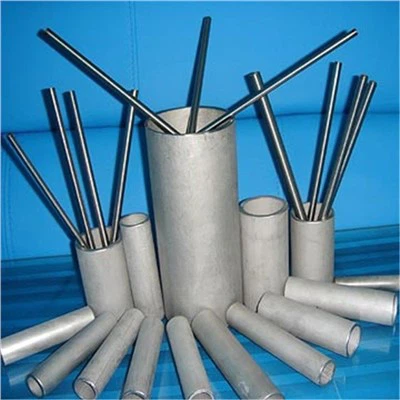
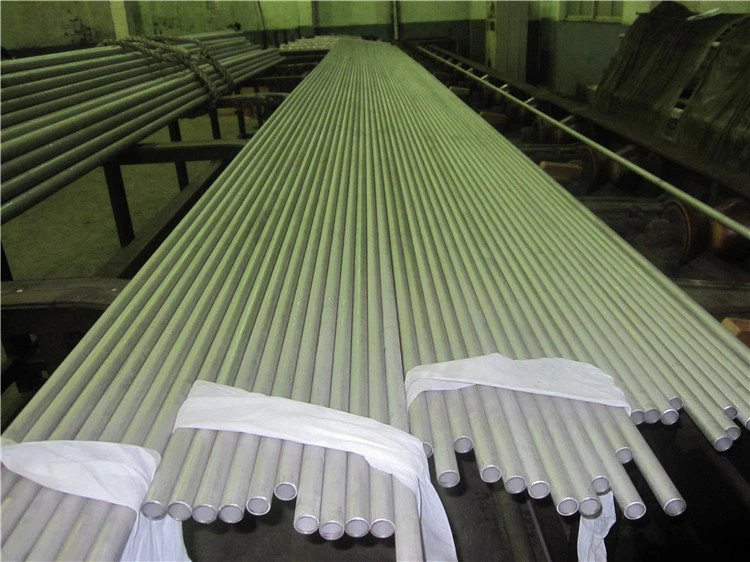
First off, let's get to know a bit about the ASTM A213 Stainless Steel Tube. These tubes are widely used in various industries, especially in heat exchangers. They're made to meet specific standards set by ASTM (American Society for Testing and Materials). ASTM A213 covers seamless ferritic and austenitic alloy - steel boiler, superheater, and heat - exchanger tubes. They have excellent corrosion resistance, high - temperature strength, and good formability, which makes them a top choice for many applications.
Now, radiographic testing (RT) is a non - destructive testing (NDT) method. It's like taking an X - ray of the tube to check for internal flaws without damaging the tube itself. This is crucial because even small internal defects in the ASTM A213 stainless steel tube can lead to big problems down the line, such as leaks in a heat exchanger or failure under high - pressure conditions.
How does radiographic testing work? Well, it's based on the principle that different materials absorb X - rays or gamma rays differently. When we perform RT on an ASTM A213 stainless steel tube, we place a radiation source on one side of the tube and a radiation detector on the other side. The radiation passes through the tube, and if there are any internal defects like cracks, porosity, or inclusions, they will absorb the radiation differently compared to the surrounding sound material.
The radiation detector then records the variation in the radiation that passes through the tube. This creates an image, similar to an X - ray image we're familiar with in the medical field. The image shows the internal structure of the tube, and trained inspectors can analyze it to identify any defects.
There are two main types of radiation sources used in radiographic testing: X - rays and gamma rays. X - rays are produced by an X - ray machine. They're great for thinner materials and can be controlled easily in terms of the intensity and energy of the radiation. Gamma rays, on the other hand, are emitted by radioactive isotopes like cobalt - 60 or iridium - 192. Gamma rays have higher energy and can penetrate thicker materials, which is useful when dealing with thick - walled ASTM A213 stainless steel tubes.
Let's talk about the importance of radiographic testing for ASTM A213 stainless steel tubes in the context of heat exchangers. Stainless Steel Tube for Heat Exchanger needs to be of the highest quality. Heat exchangers are used in power plants, chemical processing plants, and many other industrial settings. They transfer heat between two fluids, and any defect in the tubes can cause a decrease in efficiency or even a complete breakdown of the heat exchanger.
For example, if there's a crack in the tube, it can lead to a leak of the fluid being transferred. This not only causes a loss of the fluid but can also contaminate other parts of the system. In a power plant, a leaking heat exchanger tube can reduce the overall power output and increase maintenance costs. Radiographic testing helps to catch these potential problems early, ensuring the reliability and safety of the heat exchanger.
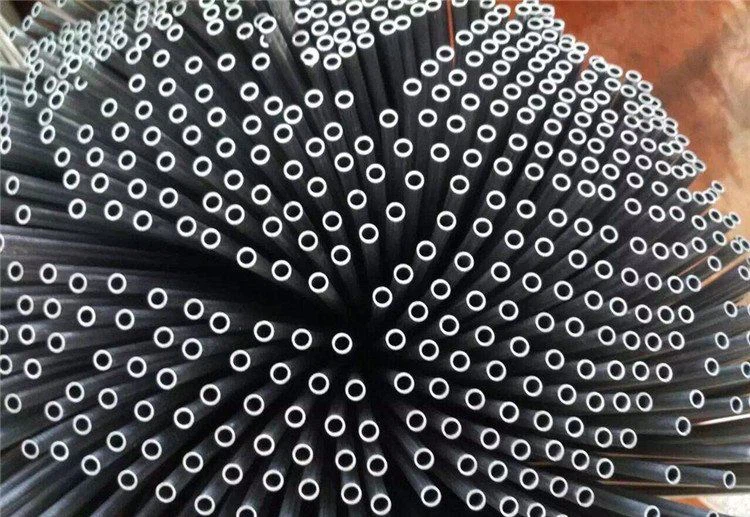
Another application where radiographic testing is important is for Stainless Steel Heat Exchanger U Shape Tube. These U - shaped tubes are commonly used in heat exchangers because they allow for a more compact design. However, the bending process to form the U - shape can introduce internal stresses and defects. Radiographic testing can detect these issues, ensuring that the U - shaped tubes are fit for use in the heat exchanger.
There are some advantages of using radiographic testing for ASTM A213 stainless steel tubes. Firstly, it can detect internal defects that are not visible on the surface. This means we can find problems that might otherwise go unnoticed until it's too late. Secondly, the results of radiographic testing are permanent. The images can be stored for future reference, which is useful for quality control and auditing purposes.
However, there are also some limitations to radiographic testing. One of the main drawbacks is the safety concern. Both X - rays and gamma rays are ionizing radiation, which can be harmful to human health if not properly controlled. Special safety precautions need to be taken during the testing process, such as using shielding materials and ensuring that only trained personnel are involved.


Another limitation is that radiographic testing can be time - consuming and expensive. Setting up the testing equipment, taking the images, and analyzing them require a lot of time and resources. Also, the interpretation of the images requires a high level of skill and experience. A misinterpretation of the image can lead to false positives or false negatives, which can be costly.
In the manufacturing process of ASTM A213 stainless steel tubes, radiographic testing is usually done at different stages. For example, it can be done after the tube is initially formed to check for any defects introduced during the manufacturing process, such as porosity from the melting and casting process. It can also be done after any further processing steps like bending or welding to ensure that no new defects have been created.
When it comes to the standards for radiographic testing of ASTM A213 stainless steel tubes, there are specific requirements set by ASTM and other relevant industry standards. These standards define the acceptable levels of defects, the testing procedures, and the qualifications of the inspectors. For example, they specify the minimum size of the defect that can be detected, the image quality requirements, and the frequency of testing.
As a supplier of ASTM A213 stainless steel tubes, we take radiographic testing very seriously. We have a team of experienced inspectors who are trained to perform and interpret the radiographic tests accurately. We also follow all the relevant industry standards to ensure that our tubes meet the highest quality requirements.
If you're in the market for high - quality ASTM A213 stainless steel tubes, whether it's for a heat exchanger or other applications, you can count on us. Our tubes have been thoroughly tested using radiographic testing and other non - destructive testing methods to ensure their reliability and safety.
We understand that every project is unique, and we're committed to providing you with the best - suited tubes for your specific needs. Whether you need standard - sized tubes or custom - made tubes, we can work with you to meet your requirements.
So, if you're interested in purchasing ASTM A213 stainless steel tubes, feel free to reach out to us for a consultation. We're here to answer all your questions and help you make the right choice for your project. Let's work together to ensure the success of your application with our top - notch ASTM A213 stainless steel tubes.
References:
- ASTM International standards for A213 stainless steel tubes
- Non - destructive testing handbooks on radiographic testing techniques