

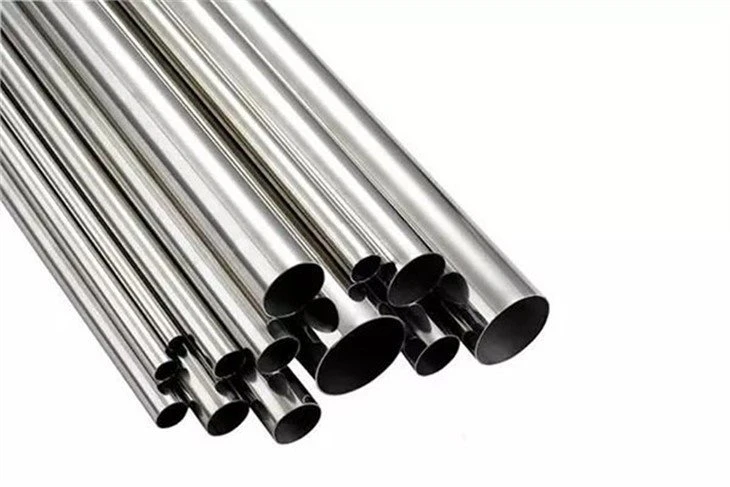
Flexible Stainless Steel Pipe is a type of pipework that is flexible, allowing for it to be bent into different shapes and angles. It is commonly used in a variety of industries where the pipework needs to be able to move or be adjusted easily.
The specification parameters of Flexible Stainless Steel Pipe typically include the diameter of the pipe, the length of the pipe, and the thickness of the walls. These parameters can be customized according to the needs of the user. The manufacturing process of such pipes involves forming the pipes out of stainless steel strips, welding the edges together, and then shaping them into the desired shape.
The processing technology used for Flexible Stainless Steel Pipe is typically welding, as opposed to other methods like threading. The materials used in the pipes are typically high-quality stainless steel, which gives them durability and resistance against corrosion.
The usage scenarios for Flexible Stainless Steel Pipe are vast and varied. They are commonly used in HVAC systems, refrigeration systems, and plumbing systems. They are also extensively used in the automotive industry, particularly in engine and exhaust systems.
In terms of technological parameters, Flexible Stainless Steel Pipe has a high degree of temperature resistance, as well as resistance to pressure and corrosion. The pipes are designed to handle various fluids and gases, including air, water, and certain chemicals.
As for the usage instructions, it is important to note that Flexible Stainless Steel Pipe should be installed in a way that minimizes stress and strain on the pipe. It is also essential to ensure that the pipe is correctly supported and anchored to prevent movement or damage. Proper installation and maintenance can ensure the longevity and effectiveness of the pipe system.
Knowledge popularization:
Why is there sometimes thickness inconsistency between the same batch of 304 stainless steel strips?
1. The influence of temperature change:
Once the temperature of metallurgical spare parts changes, it will affect the production conditions of the steel rolling equipment, thereby driving the thickness of the stainless steel strip to change. The essence is that the temperature difference causes the thickness to fluctuate. Resulting in a change in the thickness between the stainless steel strips.
2. Effect of tension change: Tension will affect the stress state, and can change the metal deformation resistance of the stainless steel strip, and further cause the thickness of the stainless steel strip to change. In addition to affecting the thickness of the head and tail of the stainless steel strip, the change of tension will also affect the thickness of other parts of the stainless steel strip. Once the tension is too large, not only the thickness of the stainless steel strip will be affected, but also the width of the stainless steel strip will be affected. Therefore, during the hot rolling process, manufacturers often use loopers to stabilize the tension; similarly, cold rolling is required during the cold rolling process, because the stainless steel strip will be hardened during processing, which will reduce the deformation resistance. Big. If you just adjust the roll gap of the rolling equipment to change the rolling force, it is difficult to obtain a suitable reduction rate, so it is necessary to use a relatively large inter-stand tension for rolling. In cold rolling production, large tension is necessary . By reducing the rolling force, the energy consumption of rolling can be reduced, thereby avoiding deviation of the stainless steel strip, and controlling the thickness and deformation of the stainless steel strip well.
3. Effect of speed change:
The so-called speed mainly refers to changing the rolling pressure and reduction through the adjustment of friction factor, deformation resistance and bearing oil film thickness, thereby changing the thickness of the stainless steel strip.
4. The influence of roll gap change:
During the rolling process of stainless steel strip, because the rolls and bearings of the rolling mill components are affected by factors such as thermal expansion, roll gap wear, and roll eccentricity, the roll gap of the rolling equipment will produce high-frequency periodic thickness during high-speed rolling. Fluctuations directly affect the thickness of the stainless steel strip.


Hot Tags: flexible stainless steel pipe, China, suppliers, manufacturers, factory, wholesale, for sale
